Soil pH describes acidity or alkalinity. It influences the availability of nutrients, but it is not a score in which the highest or lowest number wins.
Start with the plant and the test
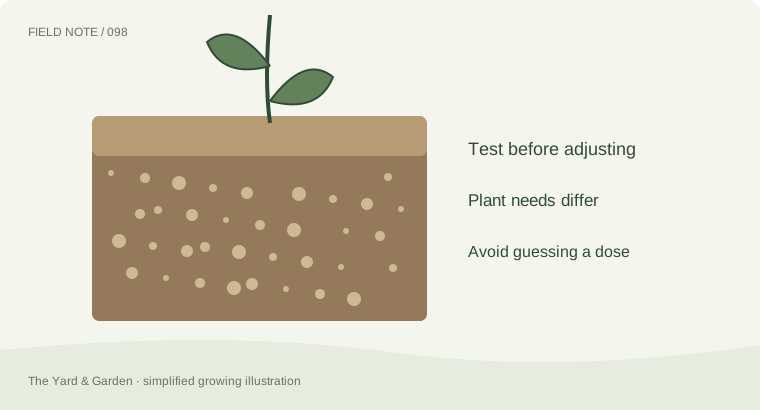
Different plants prefer different ranges. Obtain an appropriate soil test before adding lime, sulfur, or another material intended to change pH. Follow the laboratory's sampling instructions and specify what you plan to grow.
A simple home kit may provide a rough indication when used correctly, but laboratory advice is more useful for planning an amendment dose. Soil texture, buffering, and existing conditions influence how the ground responds.
Avoid a kitchen experiment as a treatment plan
Vinegar, baking soda, and repeated coffee grounds are not a measured substitute for an appropriate amendment programme. An apparent change in a small sample does not tell you how to alter a whole bed safely and effectively.
Sometimes choosing plants suited to the existing soil is the most practical answer. Trying to maintain a very different pH across unsuitable ground can become a continuing project. Keep the test report and any applications together, and retest according to professional guidance rather than making repeated changes because a plant's leaves still look imperfect.
Further guidance & source notes
- University of Minnesota Extension: Soil testing for lawns and gardens
- Royal Horticultural Society: Caring for soil
These are background resources, not an endorsement of this website. Regional instructions and the needs of your plant take priority.