Mulch covers the soil surface. It can reduce evaporation, suppress some weeds, and, for organic materials, gradually contribute to the soil. It should not be piled over every living part of the plant.
Prepare the surface
Identify and deal with weeds appropriately before covering the bed. Check moisture; placing mulch over very dry ground does not supply the water missing below. Choose a material and depth suited to the planting, climate, and local guidance.
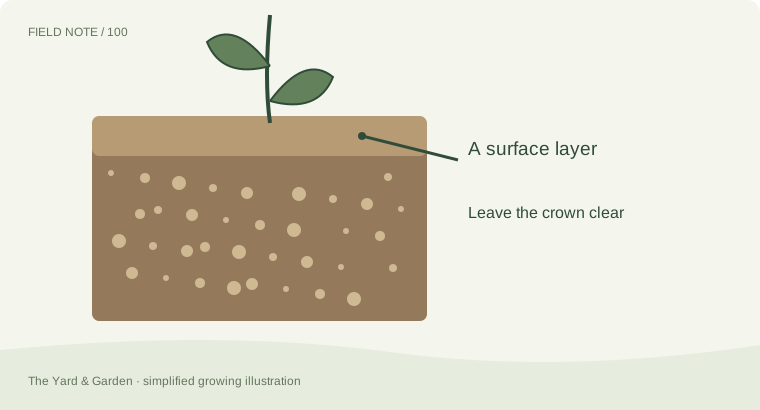
Leave space around stems, crowns, and trunks rather than making a mound against them. Small seedlings may need a lighter approach than established plants. Keep irrigation able to reach the root zone.
Look underneath occasionally
Mulch can hide dry soil as well as damp soil. Check where water goes after rain or irrigation, and notice any pests or unwanted growth. Top up organic mulch only as needed instead of adding the same depth every year without assessing what remains.
Container mulches require separate thought because the root space and drying pattern differ from a bed. Decorative stones on a pot can make moisture harder to judge. Whatever material you choose, keep the purpose clear: improve the soil environment while preserving access to the information you need to care for the plant.
Further guidance & source notes
- University of Minnesota Extension: Mulching for soil and garden health
- Royal Horticultural Society: Caring for soil
These are background resources, not an endorsement of this website. Regional instructions and the needs of your plant take priority.