Two attentive people can overwater the same plant without either realizing it. A simple handover is often more useful than a more elaborate care calendar.
Record the action, not just the intention
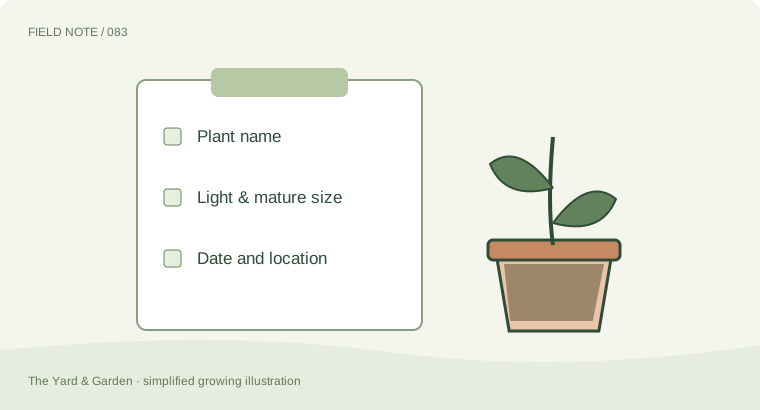
Use a small note or shared list with the plant's name, the last check, and whether water was applied. Distinguish “checked, still damp” from “watered.” This prevents the next person from assuming an empty watering can means the task was completed for every pot.
Show helpers where to check moisture and which containers hide a nursery pot inside a decorative one. Explain how runoff should be handled. Do not expect a person unfamiliar with the plants to infer those details.
Keep instructions short
Group plants by similar care where sensible, but keep exceptions visible. Avoid a single instruction to give every plant the same amount. During a heatwave or move, update the plan rather than letting old instructions remain authoritative.
If a problem occurs, review the record together without treating it as blame. The aim is to make the system understandable enough that care does not depend on one person's memory. A clear “no water needed today” can be just as useful a contribution as filling the can.
Further guidance & source notes
- University of Minnesota Extension: Fertilizing and watering container plants
- University of Maryland Extension: Potting and repotting indoor plants
These are background resources, not an endorsement of this website. Regional instructions and the needs of your plant take priority.