A saucer catches runoff. For most ordinary container flowers and houseplants, it should not become a continuously filled water supply unless the container system is designed for that purpose.
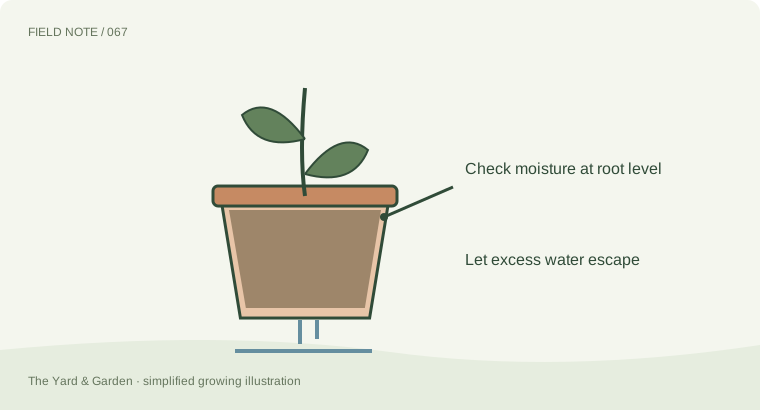
After watering, allow the pot to drain and remove unwanted water from the saucer. Check again if drainage continues. Small pots may be easy to lift; with a large pot, choose a safe way to remove water without straining yourself or spilling onto vulnerable surfaces.
Look at hidden arrangements too
The bottom of a decorative outer pot acts like a concealed saucer. Lift the inner pot to inspect it. A container standing above a little water still needs enough clearance that its drainage openings and roots do not remain immersed.
Standing water can also invite mosquitoes outdoors. Emptying and cleaning saucers forms part of keeping the area manageable, not merely caring for the plant.
There are exceptions, including plants naturally adapted to wet conditions and purpose-built reservoir planters. Follow their specific requirements. The useful distinction is intentional design versus accidental accumulation. If nobody has decided that this plant belongs in standing water, do not let a forgotten saucer make that decision for you after each watering.
Further guidance & source notes
- University of Minnesota Extension: Fertilizing and watering container plants
- University of Maryland Extension: Potting and repotting indoor plants
These are background resources, not an endorsement of this website. Regional instructions and the needs of your plant take priority.