Wilting is easy to read as thirst because watering sometimes produces a dramatic recovery. But roots in persistently wet, poorly aerated medium may also fail to supply the leaves properly.
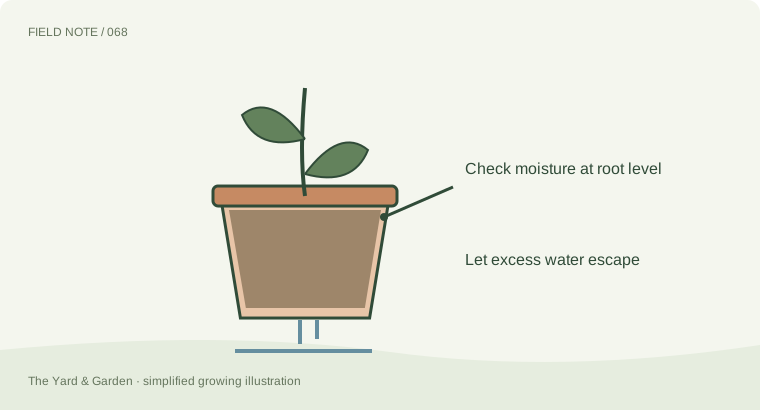
Stop and inspect
Feel the mix below the surface. Check drainage, hidden water, recent temperatures, and any sudden change in location. If the pot is clearly saturated, adding more water is unlikely to solve a lack of oxygen or damaged roots.
Do not diagnose rot from one dark root or a single wilted leaf. Root color varies. Soft collapsing tissue, an unpleasant smell, and broader decline can justify closer examination and species-specific advice.
If a root problem is suspected, isolate the plant where practical and use clean tools for any inspection or repotting. Guidance differs among plants, so avoid cutting the root system heavily without understanding what is healthy and what can regrow.
The plant's response over time matters. Leaves may remain damaged even after the root environment improves. Look for stable condition and healthy new growth, while keeping moisture appropriate. A watering can is not the only care tool; sometimes the most useful action is identifying why water already present is not helping the plant.
Further guidance & source notes
- University of Minnesota Extension: Fertilizing and watering container plants
- University of Maryland Extension: Potting and repotting indoor plants
These are background resources, not an endorsement of this website. Regional instructions and the needs of your plant take priority.