Seeds offer more plants for a modest outlay, but the packet is only part of the project. Seedlings need suitable light, steady attention, and somewhere to grow before they move outside.
Start with young plants when
You want a small display soon, have limited indoor light, or have missed the recommended sowing window. A nursery plant lets you concentrate on placement, watering, and continued care. It is a sensible first step, not a shortcut that makes you less of a gardener.
Try seeds when
You enjoy watching development and can check small containers regularly. Choose a flower whose sowing instructions fit your available conditions. Large, easy-to-handle seeds are often less frustrating than dustlike seed for a first attempt.
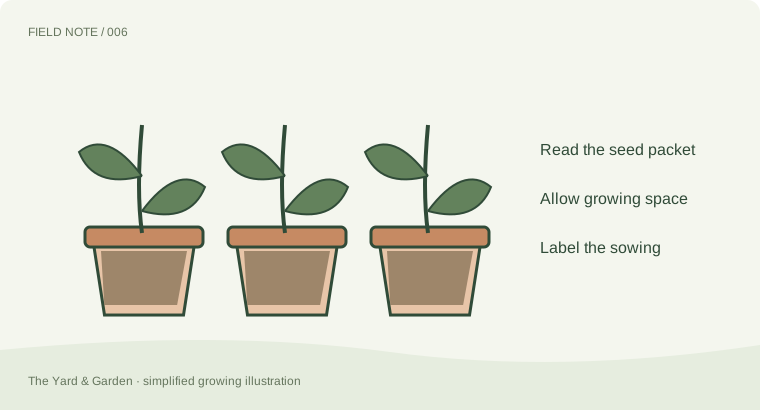
Some flowers are best sown where they will grow because they dislike root disturbance. Others benefit from an indoor start in short growing seasons. Read species-specific guidance rather than treating every packet alike.
A mixed approach works well: buy one established flowering plant and sow a small batch of something else. The first gives you a garden to enjoy while the second develops. Sow only as many seedlings as you can eventually accommodate; finding homes for fifty plants can turn a pleasant experiment into a problem of its own.
Further guidance & source notes
- University of Minnesota Extension: Starting seeds indoors
- University of Minnesota Extension: Lighting for indoor plants and starting seeds
These are background resources, not an endorsement of this website. Regional instructions and the needs of your plant take priority.