At the nursery, step back from the flower color for a moment. Look at the whole plant: its shape, the leaves near the base, and the surface of the mix.
Look below the display
Choose a plant with firm growth and no obvious colonies of insects, sticky residue, or extensive spotting. A few older leaves are not automatically a problem, but widespread yellowing deserves a question. Avoid pots that smell sour or stand in stagnant water.
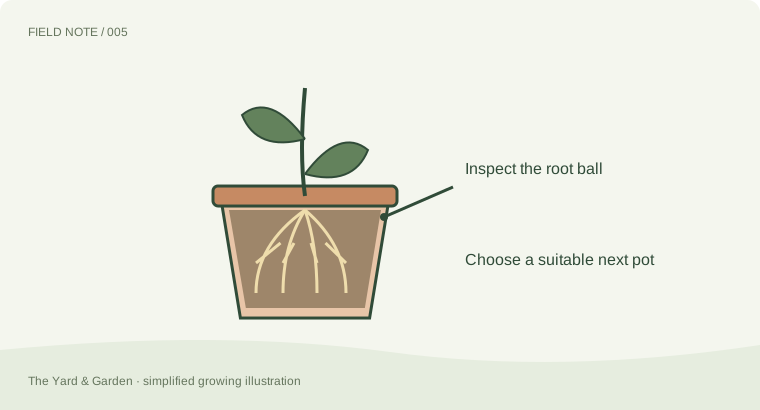
If staff permit, gently inspect the root ball. Some roots at the edge are expected. A dense, hard coil with little visible mix may mean the plant has been waiting a long time for more space. Do not pull the plant from its pot by the stem.
Flowers versus future growth
A plant covered in open blooms is immediately attractive, but buds and healthy foliage may offer a longer display after you take it home. This is especially useful for short-season bedding flowers.
Read the label before paying, including mature size and conditions. Check the plant again when unpacking and keep it separate from an established collection long enough to notice problems. Bringing home a healthy plant cannot guarantee success, but it removes several avoidable difficulties from the first week of learning.
Further guidance & source notes
- University of Minnesota Extension: Starting seeds indoors
- University of Minnesota Extension: Lighting for indoor plants and starting seeds
These are background resources, not an endorsement of this website. Regional instructions and the needs of your plant take priority.