A brown tip rarely turns green again. The useful question is whether new damage is appearing and what conditions are producing it.
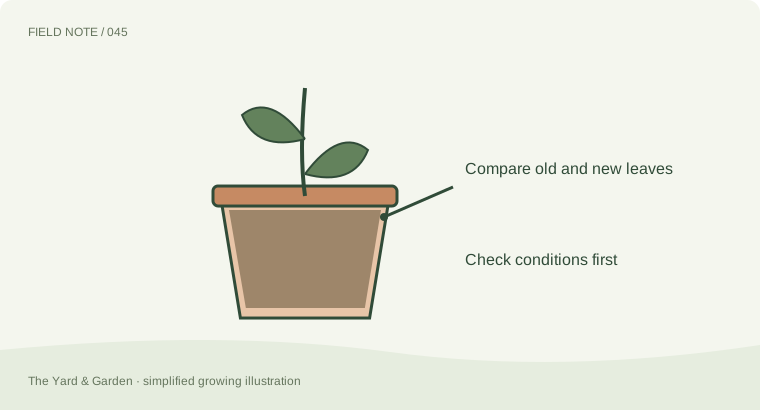
Review the recent routine
Check whether the root ball repeatedly dried severely, stayed saturated, or received more fertilizer than directed. Look for a crust on the mix or pot and consider the quality of the irrigation water. Some plants are more sensitive than others, so identify the species before narrowing the cause.
Low humidity can be part of the picture for certain plants, but misting the leaves is not a reliable answer to every brown tip. Roots and water uptake deserve attention too.
Correct the cause before cosmetic work
If you trim a dead tip for appearance, use clean tools and avoid cutting unnecessarily into healthy tissue. Do not remove many useful leaves simply because their ends are imperfect.
Keep care consistent after making a justified adjustment. Compare the next few leaves with earlier ones instead of checking the same brown edge for signs of healing. A simple dated photograph helps separate old damage from an active problem. If the whole plant declines or the cause remains unclear, get species-specific advice rather than escalating through a series of untested household remedies.
Further guidance & source notes
- University of Maryland Extension: Potting and repotting indoor plants
- University of Maryland Extension: Growing media for containers
These are background resources, not an endorsement of this website. Regional instructions and the needs of your plant take priority.