A new plant can bring more than flowers. Inspect it in good light before placing it among established containers, especially indoors where pests can spread between closely grouped pots.
Look in the concealed places
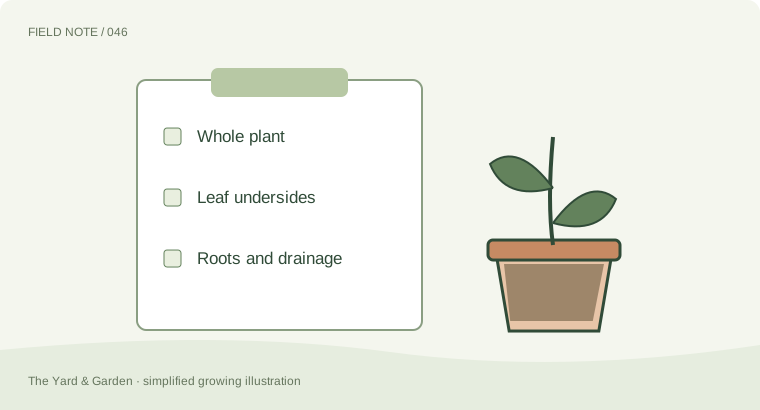
Check leaf undersides, stem joints, new tips, and the mix surface. Look for webbing, cottony clusters, hard bumps, sticky residue, or small insects moving when the foliage is disturbed. These signs need identification; do not assume they all call for the same treatment.
Where practical, keep the newcomer separate for an observation period suited to the plant and situation. Check it repeatedly rather than relying on a single glance at the nursery.
Give it suitable conditions during the wait
Separation should not mean leaving a sun-loving plant in a dark spare room or a tender plant in the cold. Provide appropriate light, temperature, and watering while making inspection easy.
Keep the plant label and receipt information. If a problem becomes apparent soon after purchase, clear photographs may help the seller or an extension service advise you. Routine monitoring is more useful than spraying every new plant as a precaution. Any treatment should be appropriate to the identified pest, plant, and location, with the product instructions followed carefully.
Further guidance & source notes
- University of Maryland Extension: Potting and repotting indoor plants
- University of Maryland Extension: Growing media for containers
These are background resources, not an endorsement of this website. Regional instructions and the needs of your plant take priority.