A tumbler can make compost easier to mix without lifting it out with a fork. It does not remove the need to balance materials or let a batch finish.
Follow the container's design
Set the unit on stable ground with room to open and rotate it safely. Read the instructions for fill level, ventilation, drainage, and maintenance. Overfilling can make turning difficult and leave little room for the material to move.
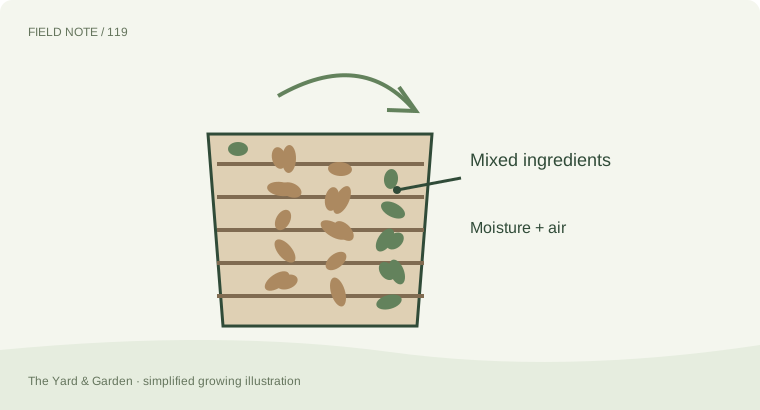
Mix suitable greens and browns and check moisture. If the contents form heavy wet balls, assess the texture and add appropriate dry structure rather than simply spinning the drum more often. If they remain dry, introduce water gradually while mixing.
Give one batch a finish line
A dual-chamber unit can separate fresh additions from material that is maturing. With a single chamber, plan somewhere for new scraps once you stop adding to the current batch. Continually introducing fresh food makes readiness harder to judge.
Ignore promises that every load will finish in a fixed number of days. Temperature, ingredients, volume, and management all affect the process. Check the material's condition and allow maturation as needed before use. A tumbler is a handling tool within a composting method, not a shortcut around the biology doing the work inside it.
Further guidance & source notes
These are background resources, not an endorsement of this website. Regional instructions and the needs of your plant take priority.