The names greens and browns are shorthand for different kinds of compost ingredients. They help you combine nitrogen-rich fresh material with carbon-rich dry material, but visual color can mislead.
Think in examples
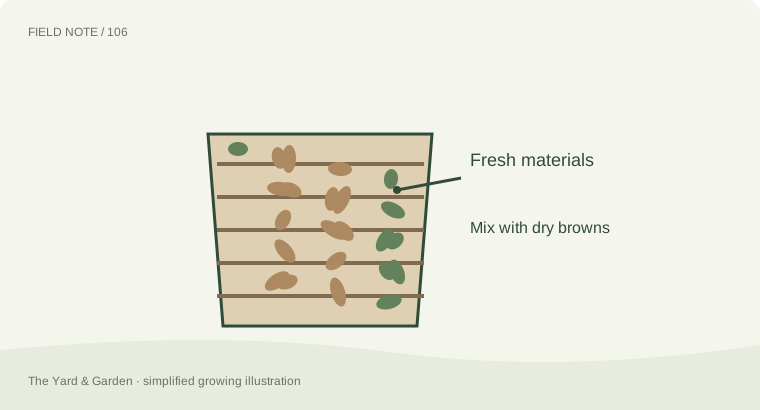
Fruit and vegetable scraps, fresh suitable plant trimmings, and used coffee grounds commonly belong with greens. Dry leaves, plain shredded cardboard, and appropriate dry woody material contribute browns. Materials vary, so these groups are a practical guide rather than a precise laboratory analysis.
Mix ingredients rather than allowing thick wet layers to form. A beginner recipe that uses more loose browns than greens by volume can be a useful starting point, but the heap's behavior should guide adjustment. Finely shredded cardboard and bulky dry leaves do not pack the same way.
Let the pile answer back
Unpleasant odor and wet compaction suggest a need to review moisture, structure, and airflow. A dry, inactive heap may need water and a better mixture of materials. Do not assume that adding more of one category always fixes the problem.
Keep a small reserve of browns in a protected place. It is much easier to mix each kitchen addition sensibly when the balancing material is already beside the bin, rather than becoming another task you postpone until the pile smells.
Further guidance & source notes
These are background resources, not an endorsement of this website. Regional instructions and the needs of your plant take priority.