A carefully assembled and managed pile can heat as microorganisms work. A smaller or more gradually filled home bin may remain cooler and still break material down over a longer period.
Understand the difference in expectations
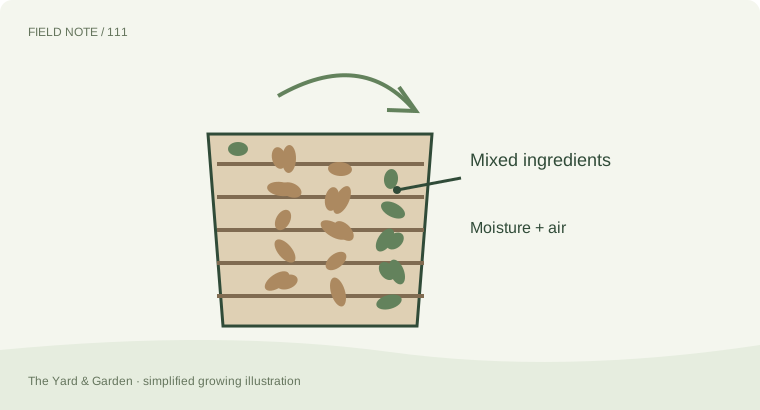
Hot composting depends on suitable volume, ingredients, moisture, and air. It requires more attention if you want the process to work consistently. A cool approach can suit a household adding modest amounts over time, but it generally asks for patience and careful ingredient selection.
Neither approach should be treated as an automatic guarantee that weed seeds or plant pathogens have been destroyed. Reaching a warm spot once does not prove that every piece experienced an effective time and temperature.
Choose a process you can maintain
If you do not have enough material to build an active batch, there is no need to force the issue with repeated additives. Manage moisture and airflow, avoid unsuitable ingredients, and allow more time. A worm system or local collection service may fit a different household better.
A thermometer is useful when you have a reason to track heat, but the number belongs alongside smell, texture, moisture, and material history. Successful composting means producing suitable finished material through a manageable process, not winning a competition for the hottest reading.
Further guidance & source notes
These are background resources, not an endorsement of this website. Regional instructions and the needs of your plant take priority.