Used coffee grounds are fine-textured and moist. They can contribute to compost, but a thick layer can compact and interfere with air and water movement.
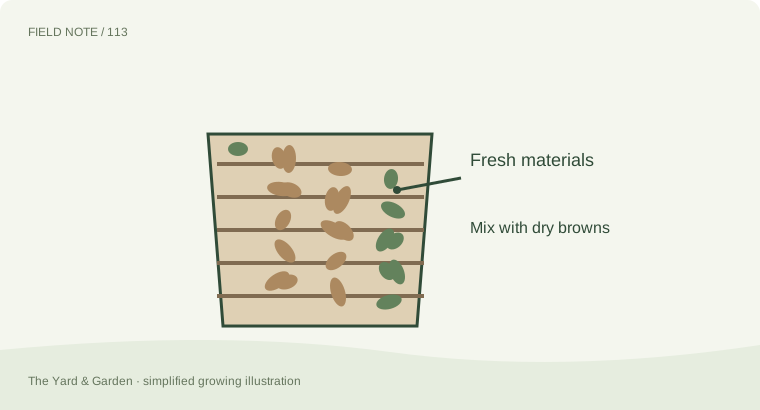
Spread the contribution
Mix grounds with other suitable ingredients and sufficient browns. Break apart compacted clumps. A large supply from a café can overwhelm a small household bin, even though a modest amount from your kitchen was manageable.
Check filters and packaging separately. Plain paper filters may be suitable, while plastic components, capsules, and uncertain liners should not be treated as grounds. Remove them through appropriate routes.
Avoid turning compost advice into a plant treatment
Coffee grounds are not a reliable way to set soil pH, repel every pest, or supply a complete fertilizer. Direct heavy applications can create problems for seedlings and other plants. Keep claims about the ingredient separate from the condition of finished compost.
If you want to use grounds regularly, observe the bin after additions. Is the texture still open? Is moisture balanced? Does the material continue breaking down without unpleasant odor? Those practical answers matter more than a general claim that coffee is good for gardens. A useful ingredient remains useful only while it fits the capacity and balance of the system receiving it.
Further guidance & source notes
- Oregon State University Extension: Using coffee grounds in gardens and compost
- Royal Horticultural Society: Caring for soil
These are background resources, not an endorsement of this website. Regional instructions and the needs of your plant take priority.