Kitchen scraps arrive throughout the year. Dry leaves arrive less evenly. Saving suitable browns makes it easier to use what the kitchen produces without turning the bin into a wet mass.
Choose material you can identify
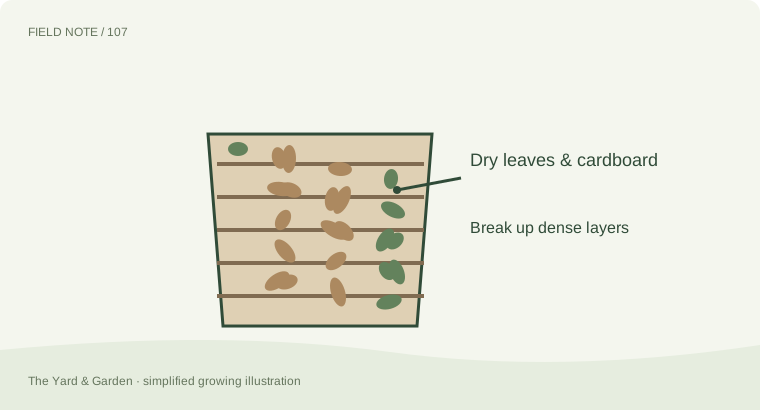
Store dry leaves, plain uncoated cardboard, or other appropriate carbon-rich materials. Remove plastic tape, labels, and unsuitable coatings from cardboard. Avoid unknown treated wood, heavily contaminated packaging, and materials whose composition is unclear.
Keep the reserve sheltered enough to stay useful but not sealed in a way that traps unwanted moisture. Choose a storage arrangement that does not attract pests or create a trip hazard. A modest quantity you use regularly is easier to manage than a huge forgotten pile.
Prepare for mixing
Tear or shred cardboard into manageable pieces. Break up leaves that form dense mats. Very fine material can compact too, so aim for a mixture with useful structure rather than reducing everything to powder.
When adding scraps, mix browns through them instead of placing one thin decorative layer on top of an otherwise compacted bin. The reserve is part of the working system. Once it is easy to reach, keeping moisture and texture balanced becomes an ordinary habit rather than a corrective project after the compost has gone wrong.
Further guidance & source notes
These are background resources, not an endorsement of this website. Regional instructions and the needs of your plant take priority.