The routine that kept a plant comfortable in summer may leave it wet in cooler, darker conditions. Conversely, spring growth can increase water use before you have adjusted your habits.
Keep the checking, change the automatic action
Continue looking at the plant regularly, but let moisture determine whether to water. Notice changes in light, temperature, wind, growth, and container position. Indoor heating can complicate winter conditions, so do not assume every indoor pot dries more slowly simply because the calendar says winter.
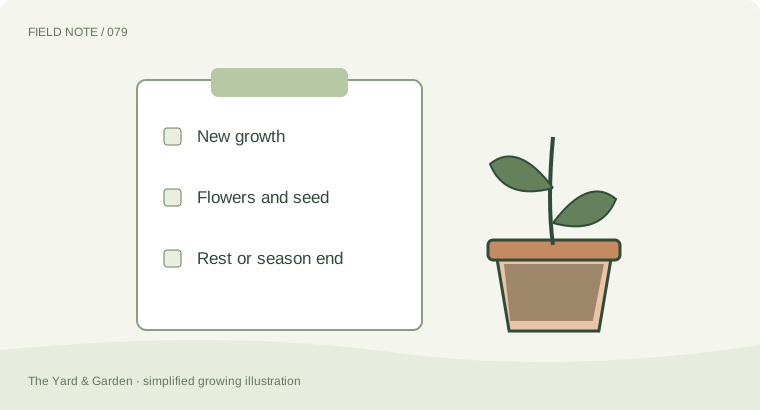
The plant's own cycle matters too. Some species rest or lose leaves, while others remain active. Learn what is expected rather than trying to keep a dormant plant growing through extra water and feed.
Use a few dated observations
Record how long the root zone stays appropriately moist after watering under the current conditions. Repeat when weather or growth changes. You are learning a pattern, not establishing a permanent interval.
If you move a pot between indoors and outdoors, treat that as a fresh assessment. The same container can behave quite differently after a change in light and exposure. Seasonal care becomes easier when the habit is to check first, leaving the amount and timing of water free to follow the plant.
Further guidance & source notes
- University of Minnesota Extension: Fertilizing and watering container plants
- University of Maryland Extension: Potting and repotting indoor plants
These are background resources, not an endorsement of this website. Regional instructions and the needs of your plant take priority.