Deadheading means removing flowers that have finished. It can keep a plant tidy and, for some species, encourage further flowering by limiting seed production. It does not make every plant bloom indefinitely.
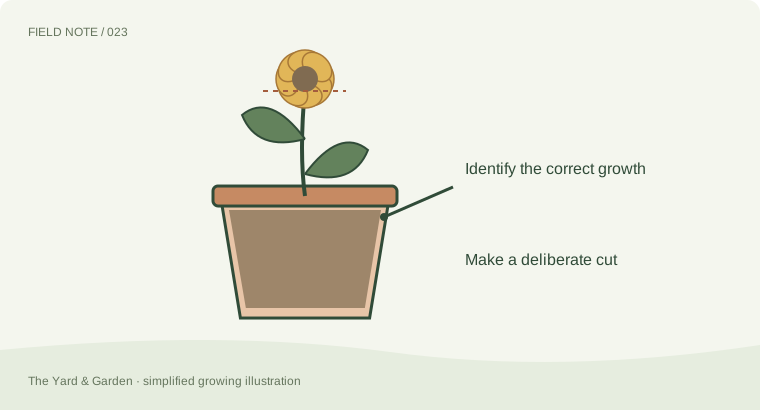
Look closely before cutting
A closed new bud can resemble a faded flower at a glance. Check for browning petals, a spent flower structure, or developing seed. Trace the flower stem to an appropriate leaf or junction, following guidance for that plant.
Use clean fingers for soft stems or clean snips where a cut is neater. Support the stem and avoid pulling hard enough to uproot a young plant. Work selectively around emerging buds.
Decide when to leave seed heads
You may want some seed to mature, or prefer the appearance and wildlife value of particular seed heads. In that case, leave suitable flowers rather than removing everything automatically. Check whether the plant self-seeds aggressively in your region.
If a plant has stopped flowering because the season is ending, light is insufficient, or roots are stressed, deadheading will not correct the underlying cause. Combine the task with a quick look at foliage and soil moisture. A few careful cuts are useful maintenance; they are not a substitute for understanding what the plant currently needs.
Further guidance & source notes
- University of Minnesota Extension: Starting seeds indoors
- University of Minnesota Extension: Lighting for indoor plants and starting seeds
These are background resources, not an endorsement of this website. Regional instructions and the needs of your plant take priority.