Two identical plants can need different checks when one grows in unglazed terracotta and the other in plastic. The container is part of the growing environment.
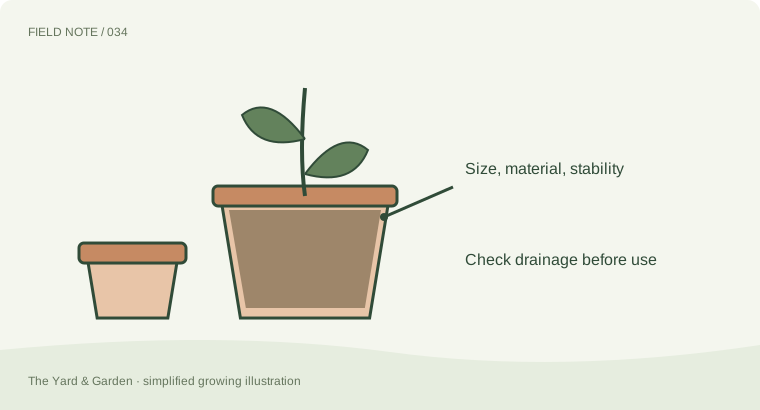
Think about where it will stand
Unglazed terracotta allows moisture loss through its porous walls and can dry faster. It is also heavier and may be vulnerable to frost damage, depending on the product. Plastic is generally lighter and retains moisture through its sides, but a lightweight tall pot may need careful placement for stability.
Glazed ceramic behaves differently from unglazed clay. Do not decide the watering routine from the word ceramic alone. Drainage openings and the mix inside still matter.
Match the material to your habits
If you frequently overlook small patio pots in hot weather, a fast-drying terracotta container may add work. If you tend to water too readily, changing material alone will not replace checking the root zone.
Consider lifting and storage before buying. A large pot becomes much heavier when filled and watered. Choose a size you can manage or position it before planting. The best container is one that supports the plant's needs while fitting the place and the amount of attention you can reliably give it.
Further guidance & source notes
- University of Maryland Extension: Potting and repotting indoor plants
- University of Maryland Extension: Growing media for containers
These are background resources, not an endorsement of this website. Regional instructions and the needs of your plant take priority.