Moving a tender plant indoors before damaging cold arrives can extend its life, but indoors is a different growing environment. The plant may receive less light even beside a window that looks bright.
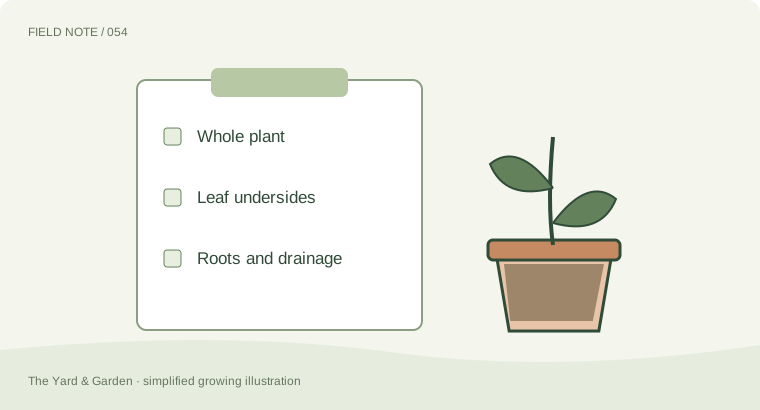
Inspect before the move
Check leaves, stems, pot rims, and the mix surface for pests. Remove dead debris and deal with any identified problem appropriately. Keep newly returned plants separate from established indoor plants where practical while monitoring them.
Choose a position suited to the species, away from damaging drafts or direct blasts from heating equipment. Protect furniture from drainage without letting the plant sit in collected water.
Reset your assumptions
The outdoor watering routine may now be too frequent. Lower light and cooler roots can reduce water use, while indoor heat may dry foliage and the surface differently. Check the root ball rather than judging from one dry-looking patch.
Some plants shed leaves or slow down after a change. Identify what is normal for the species before responding with heavy feeding. If the plant cannot receive appropriate indoor conditions, consider whether overwintering it is realistic. Keeping every seasonal pot is not always the most practical choice, especially when space and useful light are limited.
Further guidance & source notes
- University of Maryland Extension: Potting and repotting indoor plants
- University of Maryland Extension: Growing media for containers
These are background resources, not an endorsement of this website. Regional instructions and the needs of your plant take priority.